Behind the architecture
Come with us to Jihlava for architecture in several thematic walking trails.
.avif)
Come with us to Jihlava for architecture in several thematic walking trails.
The Jihlava Architectural Manual (JAM) is a professional popularization project aimed at mapping and promoting the architecture and urban planning of Jihlava, especially in the mid-19th century to the present.
JAM documents modern architecture, well-known buildings and jewels not yet discovered by the public, architects and builders in a unique online database. The authors, objects and sets of buildings are presented in the database in Czech, German and English, supplemented by contemporary and archival photographic documentation, which is extended by audio recordings and period plans.
Not only Jihlava architecture is focused on lectures, guided walks, educational programs for schools and camps, thematic workshops for children and adults, but also a research room with the JAM library. More information can be found on jam.jihlava.cz or in the newly opened townhouse on Masaryk Square No. 21. Individual objects can be searched by a unique numeric code at www.jam.jihlava.cz.
HOURS is implemented through the Jihlava Gate from the funds of the EEA 2014-2021 and the statutory city of Jihlava
The Jihlava fortress and bastion fortifications were abolished in Jihlava at the end of the 18th century. The expansion of the city outside the original walls was only very gradual due to the economic downturn. It was not until the demolition of most of the remaining city gates in 1845—1849 and the advent of industrial business that led to more intensive building development. Gradually, new suburbs began to form. To the north of the original walls, where the lazaret and later the hospital used to be, the Špitálská suburb was formed, the western suburb was named Matiční or Panenské, and the southern Brtnické after the neighbouring municipality. Most of the entrepreneurs were of German origin, and so even the constructions were commissioned mainly to German-speaking architects.
An important impetus was the introduction of the Czech-Moravian Transversal Railway and the subsequent first regulatory plan of the modern city. The plan created the main urban class — Legionnaires, moved the cemetery away from the church of St. Spirited to the western edge of the city and designed a park in its place. This first plan was followed 10 years later by a complete regulatory plan from Bechmann and Strádal.
The Legionnaires class leading from the city railway station became the exhibition street of the city with representative buildings with characteristic corner turrets — roundabouts. In the Špitálský suburb, mainly school buildings were built. A gymnasium with a multi-purpose building for a museum and library, a girls' burgher school or a girls' lyceum were created here. Tolstoy Street was completed by the Palace of Justice. A synagogue was built in Benešova Street already in the 1860s, which unfortunately was destroyed in 1939. The construction of the municipal power station was also connected with the construction of the electric railway from the main railway station to the city center.

The establishment of a separate republic was an important milestone in the history of Jihlava. The new Czechoslovak state created several large construction contracts, which were awarded exclusively to Czech architects. German residents, however, still kept orders to build from German builders. This was indicative of the growing national rivalry, which was also manifested in the efforts to find the Czech national style, as was shown at the Župní legionary house by Jaroslav Dufka.
However, for most public buildings in the 1920s, a distinctive style drawing on Wagnerian modernity was eventually applied. In this spirit, a surgical pavilion was built in the premises of the hospital or Masaryk Jubilee School by Alois Mezera.
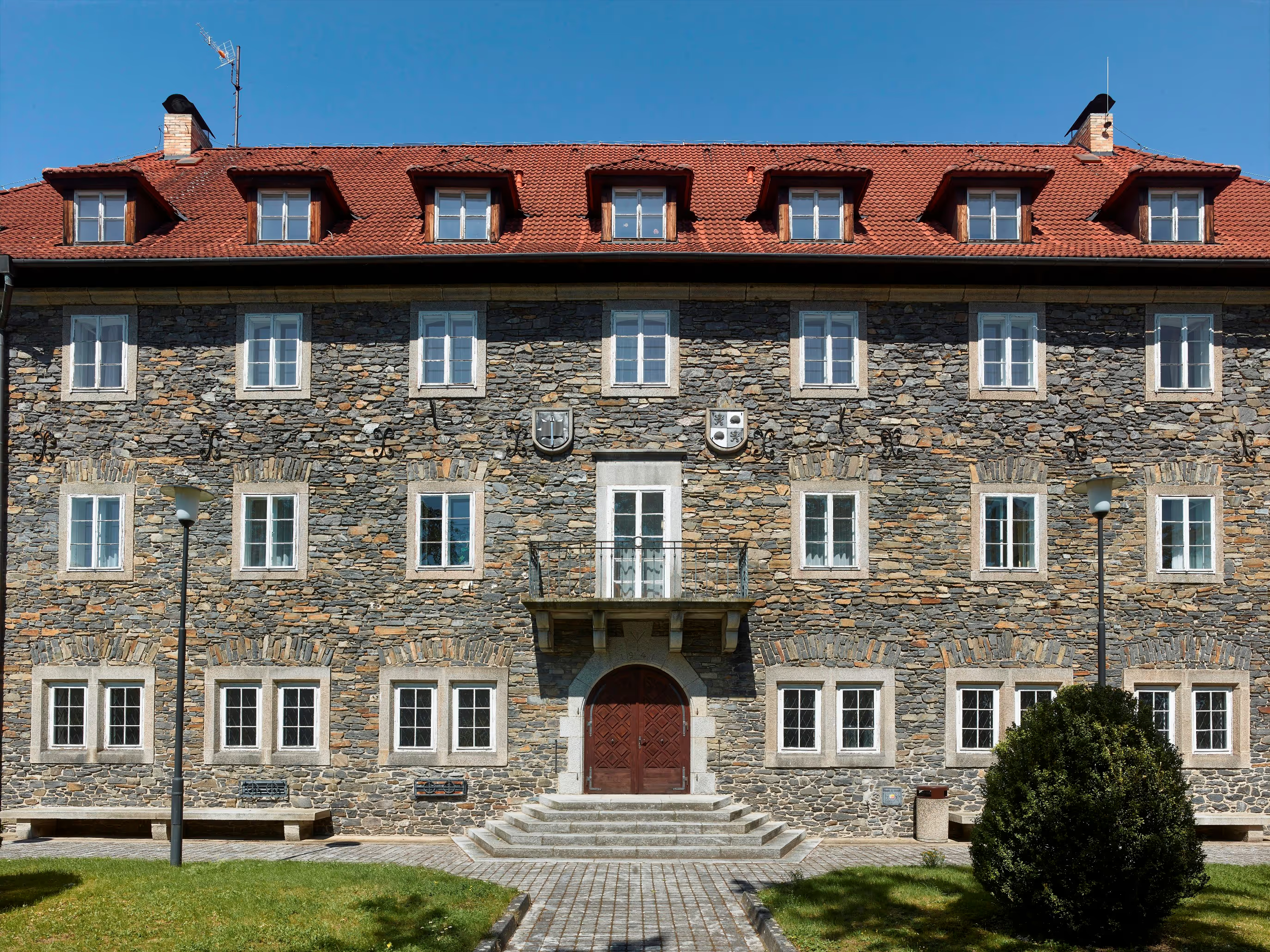
In the 1930s, functionalism became the dominant style, which was brought to Jihlava mainly by young architects from Brno. Examples are the sokolovna by Bohuslav Fuchs or the post office by Miroslav Kopřiva. During the period of the Protectorate, the building of the home of the Hitler Youth was created in the Heulos Forest Park, which was built in the Nazi-preferred Heimatstill. Most of the other planned projects during the war were not realized and the construction is thus a rare example of wartime architecture.
Since the end of the 19th century, three-storey tenement houses have usually been built in the centre of the city within the circle of the rammed rampart and in the Špitálský suburb, forming modern wide boulevards. Their authors were mainly Jihlava builders.
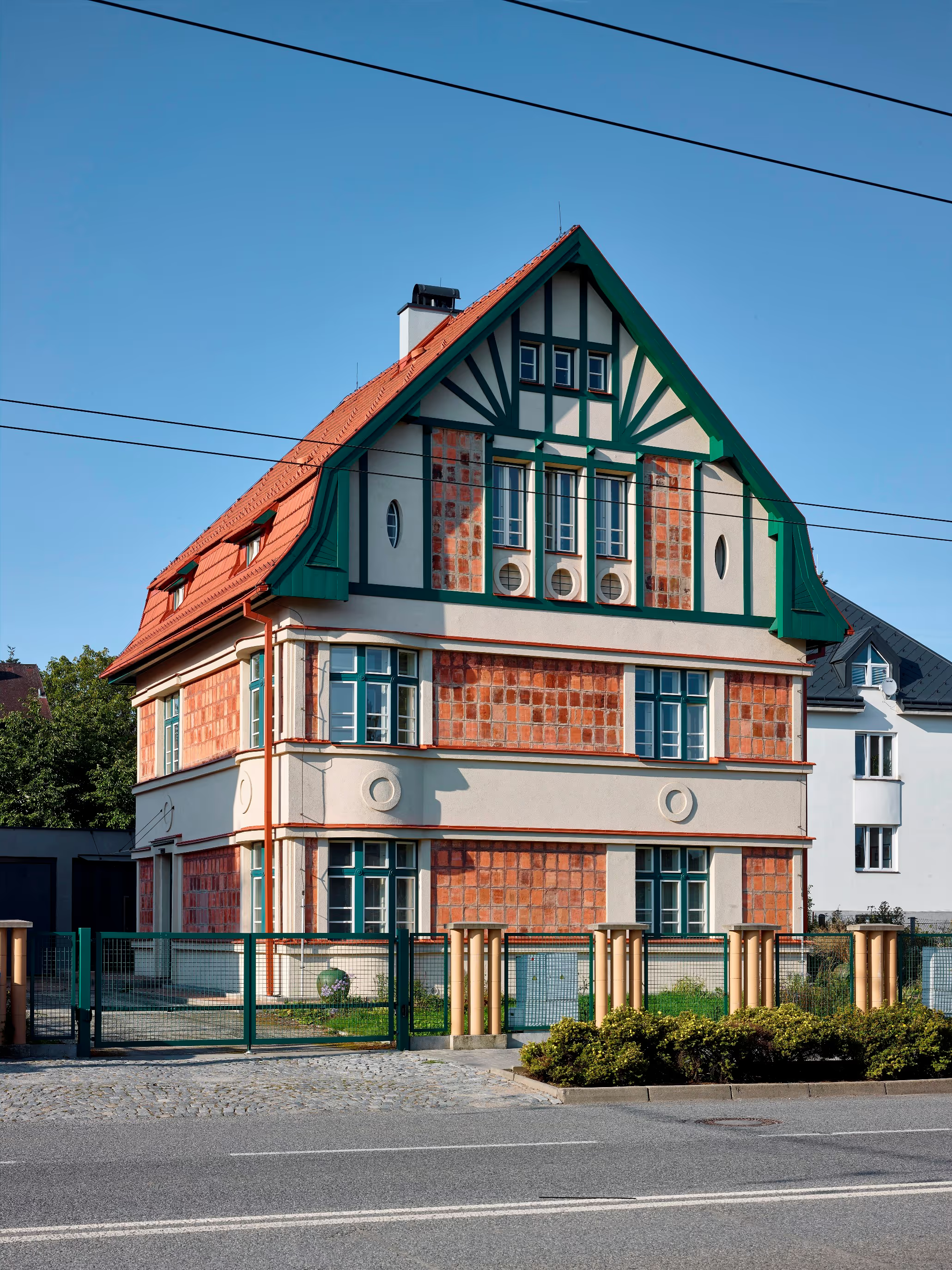
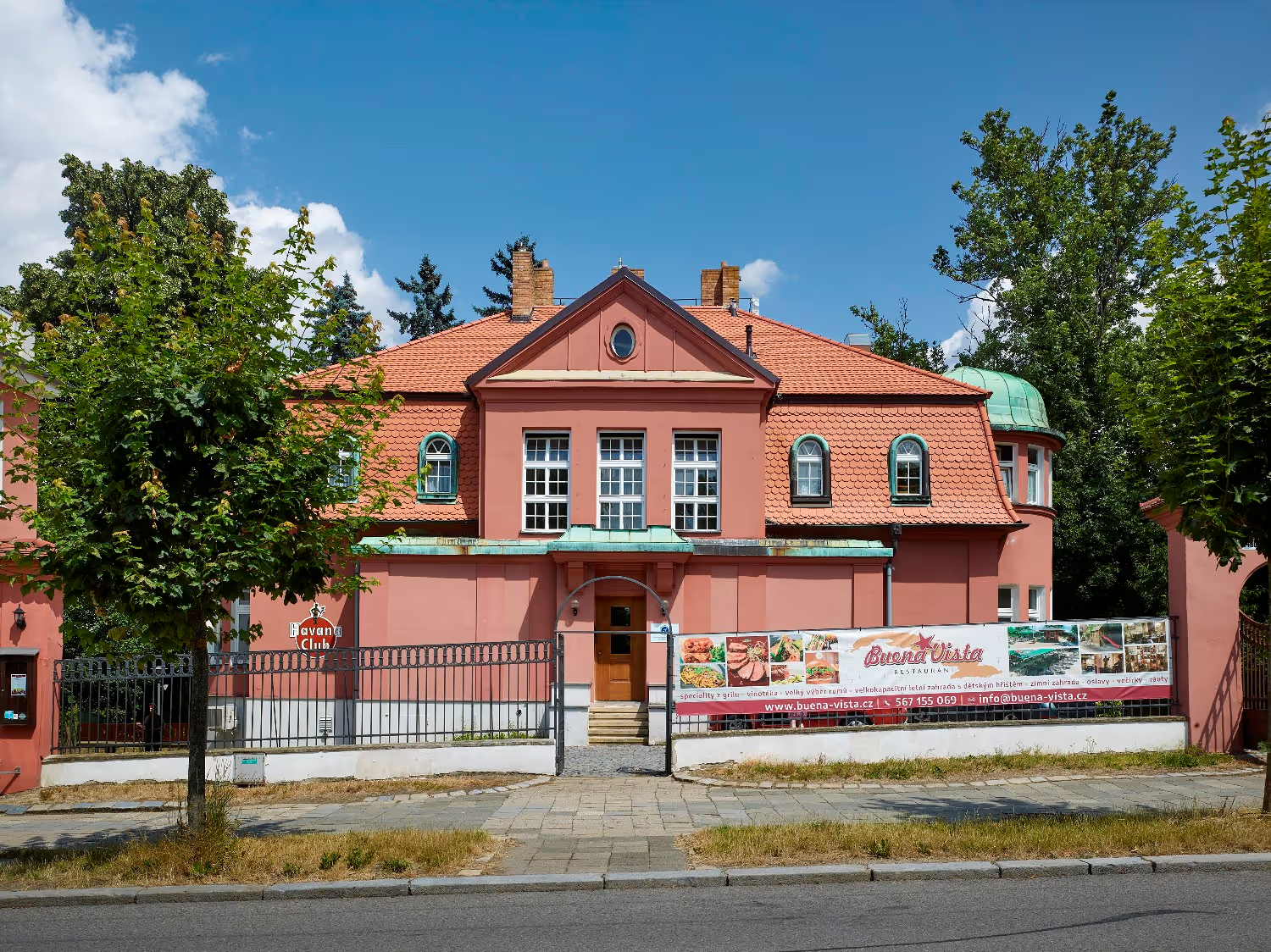
Villas and smaller structures of lower family houses were built in the western suburbs and in the southern Brtnice suburbs. Several garden districts were formed on the west side. The family terraced houses created a new garden, the so-called clerical district, according to the design of Arturo Corazza. In the interwar period, the street line of rental houses in Tolstoy Street became complete. In the Brtnica suburbs, the development of low-rise simple houses increased and, similarly, in Calvary, poorer workers' houses continued to grow. Wooden Mills used to stop with tenement and multi-dwelling houses. The emergence of garden districts or home blocks was often initiated by building housing associations and associations. For example, the Free Home Association built a total of 21 houses for 120 Czech residents north of the city centre between 1920 and 1922. The administration of the state tobacco factory had several rental houses built for its employees near Štefánikova Square.
Immediately after the establishment of the protectorate, the housing situation in Jihlava was described by the government commissioner as a “housing calamity” and the construction of its set of single-family houses with a garden was promised. These began to be built in the south of the city, and after the war the settlement was given the name Lidická kolonie. The project was not completed due to insufficient finances.
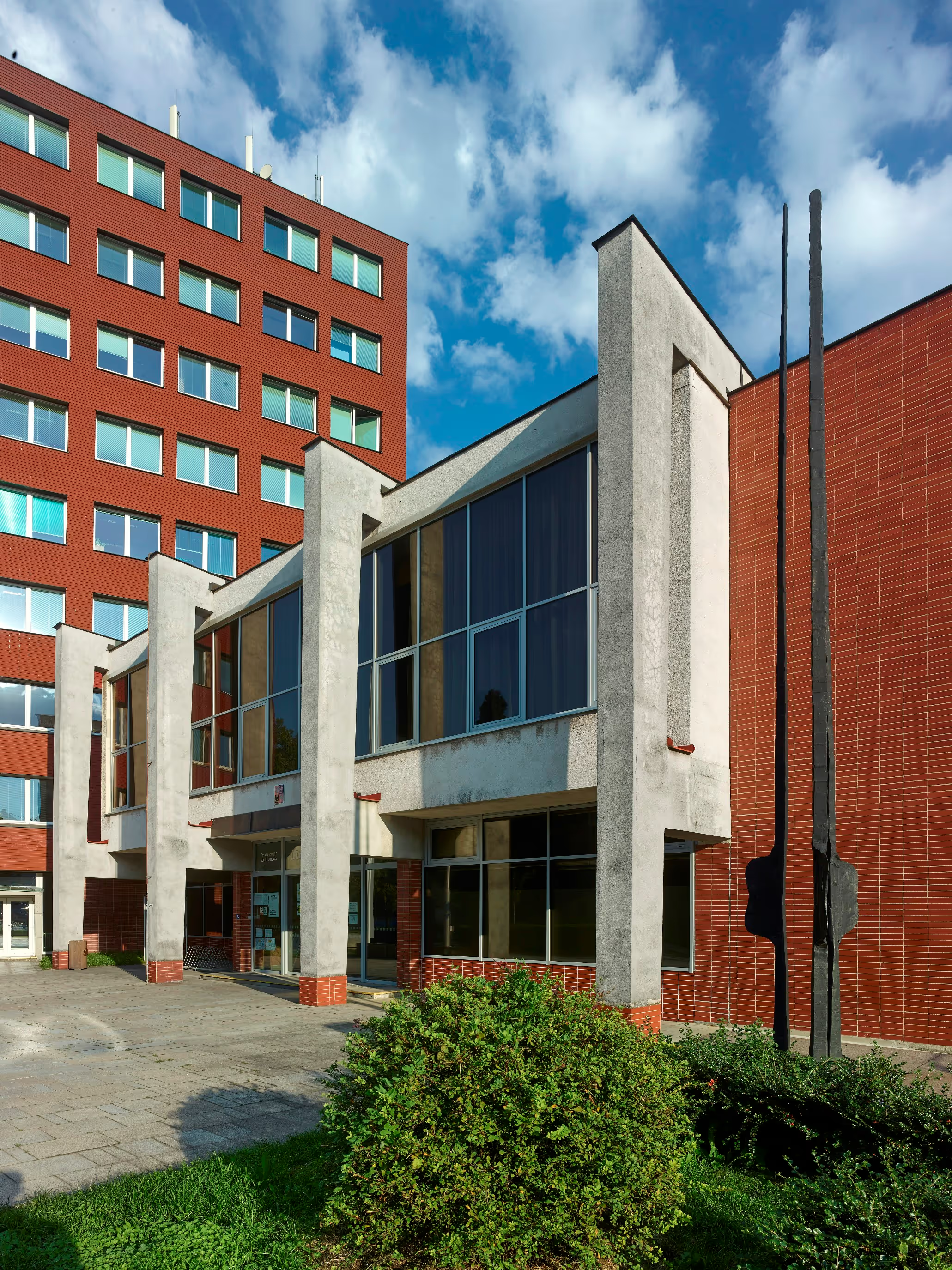
Construction, which was subdued after World War II, began in Jihlava only within the first five-year period beginning in 1949. In that year, the staff of the Stavoprojekt Jihlava also began to propose a directional land plan, which was approved in 1957. The plan followed an unrealized regulatory plan that Bohuslav Fuchs worked on in the 1930s and 1940s. A new ring road was also created, diverting traffic from the centre and within which a new Brno Bridge was built.
The main ideological task of the entire communist era was housing. Already in 1954, the first Jihlava Sídliště I was created using traditional masonry technology, which also included the corresponding infrastructure. From the beginning of the 1960s, the most massive construction of apartments in the history of the city began, which significantly transformed its urban character. The new dry-mounting technology of prefabricated panels accelerated and cheaper construction, but also contrasted strongly with the compact nature of older parts of the city. All housing estates were managed by the Jihlava Evoprojekt. In addition to residential buildings, public contracts were created, such as the House of Health, built in the spirit of late functionalist architecture. The generous project of the Cultural House of ROH by the Machonin spouses, which already pointed to a new direction in the development of architecture in the 1960s, became an important building.
With the November Revolution, a lot of changes occurred in the construction development of the city of Jihlava. Evoprojekt, which had been in charge of most of the projects until then, finally broke up in 1993, and many of its members founded independent or group architectural studios. Prefabricated houses, which had the largest share of construction before 1989, were no longer built, only completed and contracts for administrative and commercial buildings began to prevail. These appeared mainly in the city centre, where they filled the street gaps. But the quality of these structures is very volatile.
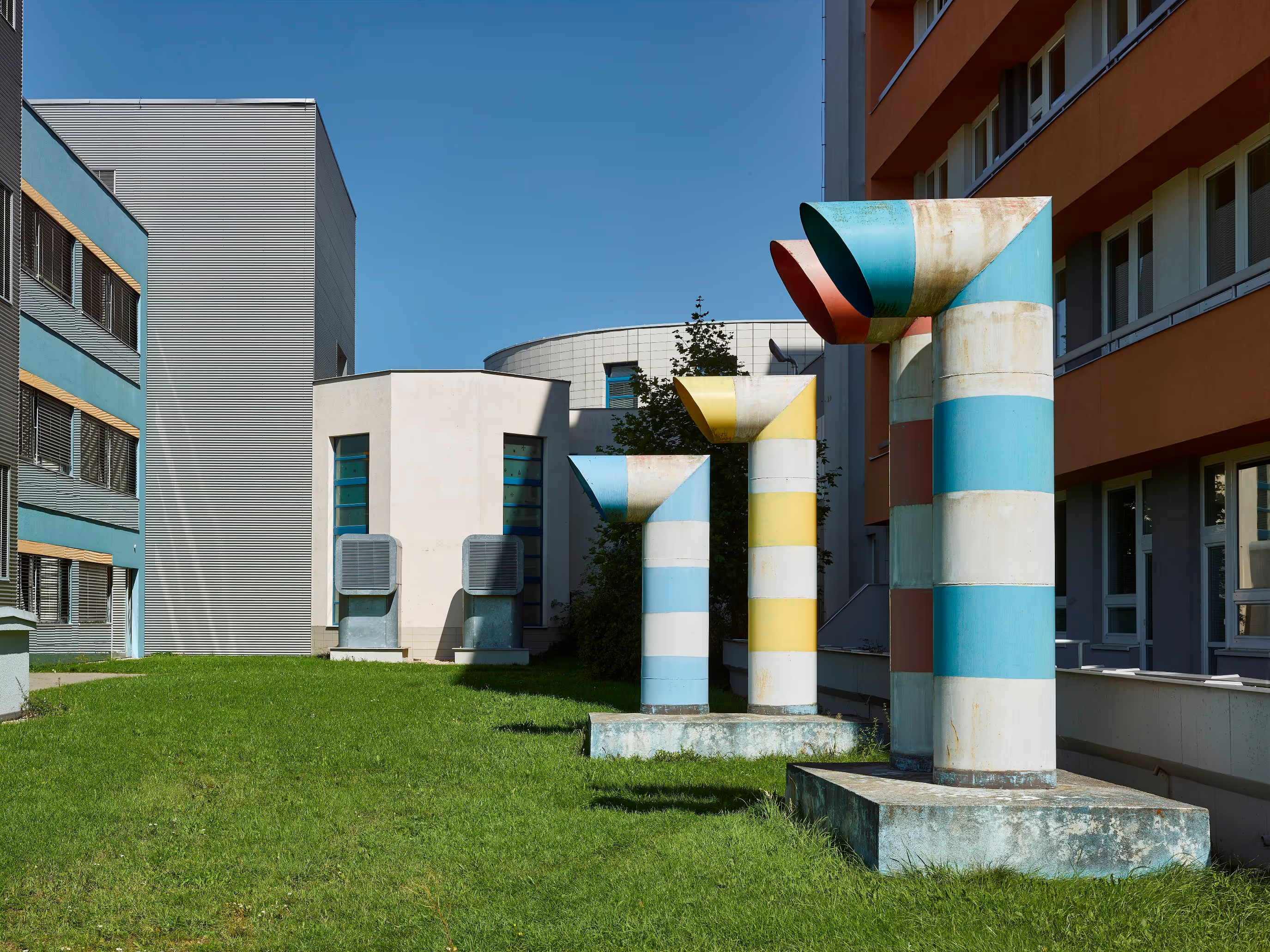
A cultivated example of postmodernity is the pavilion of operating rooms in the hospital complex by Jaromír Homolka and his studio Penta. In addition to the new buildings, many buildings have also been adapted to new uses, such as the conversion of the Dominican convent into a hotel or the Žižkov barracks into a regional office by Jaroslav Huňáček. The reconstruction of the Dukla cinema brought two cinema halls, a cafe and an archive. A new proposal for a football stadium has been created, which is yet to be fully implemented. The ice rink with a hall from the 1960s is replaced by a multifunctional arena from the architects Chybik-Krištof. There was also a repair of the public space next to the walls to Gustav Mahler Park by Martin Laštovička.
The demand for individual housing led to a gradual swelling of the periphery, where initially not very interesting satellites grew, and later better regulated housing estates with multi-apartment buildings and interesting family villas.
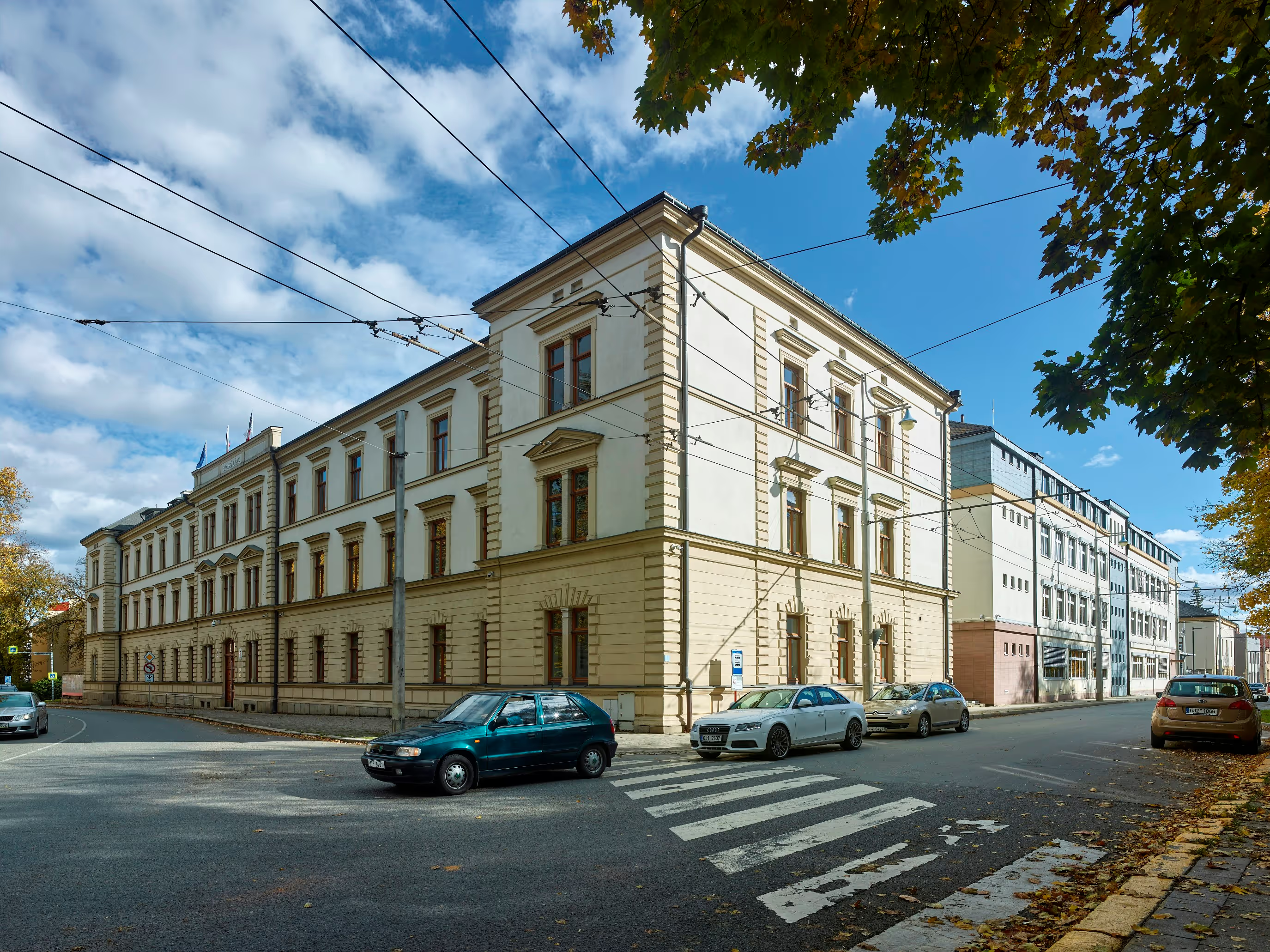
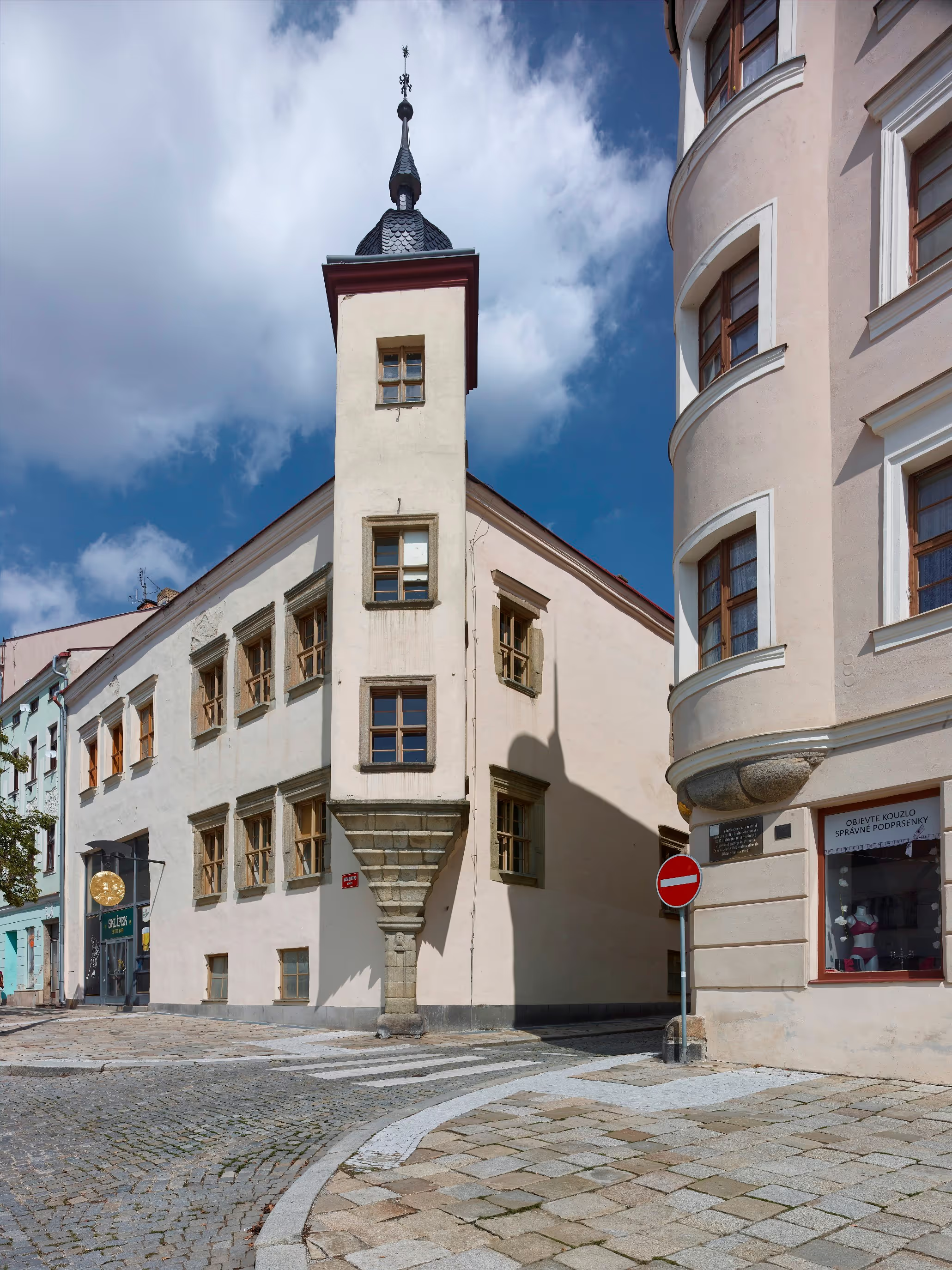
The historical core of the once royal city of Jihlava, founded around 1240, still contains a large number of historically valuable buildings from different periods. Targeted care for them began only at the end of the 19th century, when the churches of St. Spirit and St. Yakub. A specific form of historic preservation is the reappraisal of the original appearance of monuments, as happened, for example, in 1924 at the Gate of the Mother of God. In addition to taking care of existing monuments, during the 20th and 21st centuries, new buildings were created in the centre, which often reflected contemporary ideas of what modern and representative architecture suited to the city centre should look like. Historical events also entered the form of the historical core, the gap in the synagogue was never healed after the Second World War, and the expulsion of the Germans from Jihlava left many buildings abandoned and gradually dilapidated.
The town centre underwent significant changes in the second half of the 20th century. In the 1950s, the state became interested in the state of the center. The town hall was reconstructed and two houses were repaired in the square for the newly founded Museum of the Highlands. However, other generous plans were often replaced by minor repairs and the construction of historic houses. In 1958, a redevelopment plan was drawn up transforming the houses in the center into housing, 9 years later it was replaced by a plan that already envisaged demolishing part of the surviving fund. It was partly in poor condition and 12 buildings had to be demolished in the 1960s. A significant intervention was the construction of the Prior department store on the site of the demolished Špalíček, which brought period architecture of the late 1970s and 1980s to the city centre. After 1989, the city center underwent postmodern interventions, of which the modification of the Horáček Theatre is more prominent. An unusual solution to the restoration was brought by the reconstruction of a burgher's house on Masaryk Square 21. Currently, the biggest challenge is the revitalization of Masaryk Square according to the winning proposal from the MCA studio.
Fabrication formed the basis of the economic policy of the city of Jihlava for several centuries. In the 19th century, Jihlava was even the second largest producer of skirts in Austria-Hungary. However, only a few factories have survived to this day, which commemorate this glorious era of the city. One of them is a military cloth factory built by the Jihlava river by the manufacturer Kern in 1860—1862. The development of the business is also evidenced by the fact that the Kern family clan built another factory in Žižkov Street.
Further downstream of the river is the one-hundred-year-old Modeta factory, built in 1969—1971. In its time, the prosperous enterprise was already located at the end of the famous era of the textile industry in Jihlava. The unused factories were gradually adapted to other uses. The weaving mill of Fürst and Hausner is converted into apartments and offices. The Hermann Pollack plush and crim factory, in which home textiles were produced until the beginning of the millennium, is being converted into an apartment building.
Johann Tost's factory for military skirts after World War II was taken over by Tesla for its electrical production and now houses apartments, a home for the elderly, a hotel and medical services in the renovated buildings. One of the few textile businesses still operating today is the stocking, sock and glove knitwear factory near the zoo, where swimwear and sportswear are now sewn, and Leopold Krebs's woolen goods weaving factory in Srázná Street.


Jewish merchants settled in Jihlava probably right from its foundation in the 13th century. In 1425, the Moravian Margrave Albrecht expelled them because of their alleged collaboration with the Hussites, and the Jews thus took refuge in nearby villages. Their houses were acquired by Catholics, including the synagogue, which was demolished in the 1960s along with other buildings in Jewish Street.
Jews from around Jihlava, however, still came to the city for business. In the 18th century, they had to start paying tolls and were not allowed to spend the night in the city. Thus, they slept in an inn outside the walls, which Johann Smutny rebuilt in 1789 so that there was a separate room for the Jews with its own kitchen and entrance from the garden. On Saturdays and holidays, the Jews used the room as a prayer room.
At present, the Workers' House stands on this site. From the end of the 18th century, some Jews obtained special residence permits, the same rights as other residents did not receive until 1867. At that time, the Jewish Religious Community was already functioning in Jihlava and a new synagogue was opened. This was followed by the formation of many Jewish associations and the development of not only religious but also social and political life accompanied by economic development.
The latter lasted until World War II. In the 1921 census, 1,126 Jewish residents were registered in Jihlava. Since 1939, Jews in Jihlava were not allowed to perform most of the work, their property was confiscated, they were not allowed into ordinary shops, and eventually they were transported to Theresienstadt and subsequently to one of the many concentration camps.
After the war there was an effort to restore the Jewish Religious Community, but only a very small number of the original inhabitants returned to Jihlava. Most of them then emigrated after 1948. Thus, the Jewish community in Jihlava was never restored.
Take a guided look into the past of famous places and personalities of Jihlava. During Annotated ProchadesYou can get acquainted with the fate of the villas of the First Republic of Jihlava, but also soak up the atmosphere of the high halls of the Renaissance patrician houses. You will explore the historical development of the historic city center, delve into the interiors of Jihlava churches and uncover the secrets of normally inaccessible spaces. Families with children will appreciate fun walks in the footsteps of Jihlava legends and legends or Jihlava humoresky. The gate of Jihlava currently offers 20 guided tours covering various aspects of the city's history.
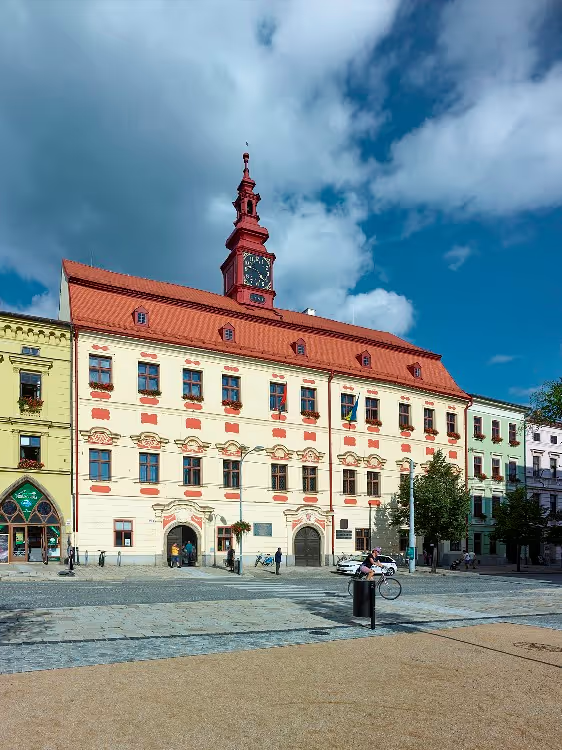
You can visit the Gate of the Mother of God, the Jihlava Town Hall, the Gustav Mahler House and the Silver House on your own, or opt for a guided tour. During the guided tour, you will get interesting information that you would otherwise hardly have obtained.
.avif)
.avif)
.avif)
.avif)
.avif)
.avif)
.avif)











.avif)